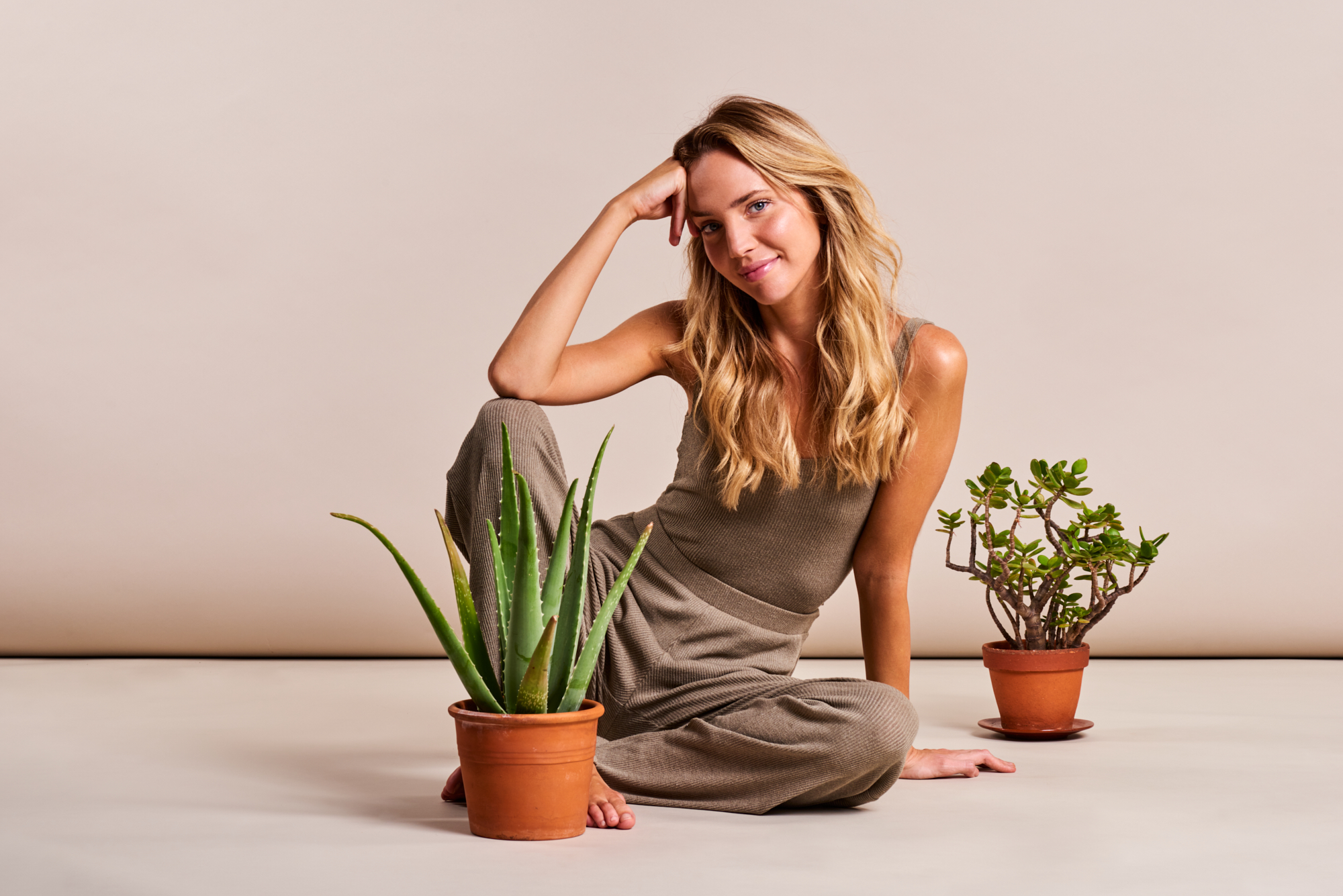
- Wonderful aesthetics alongside bonrush-uk.co.uk redefine contemporary home design
- The Evolution of Modern Interior Aesthetics
- The Role of Lighting in Contemporary Design
- Curating a Cohesive Aesthetic: Key Considerations
- The Impact of Texture and Materials
- The Role of Accessories and Personalization
- Future Trends in Contemporary Home Design
Wonderful aesthetics alongside bonrush-uk.co.uk redefine contemporary home design
The pursuit of a beautifully designed home is a universal aspiration, and increasingly, individuals are turning to online resources to bring their visions to life. Among the many options available, bonrush-uk.co.uk stands out as a curated platform offering a diverse range of aesthetic products and inspiration for contemporary home design. The site caters to those seeking to elevate their living spaces, focusing on delivering not just items, but pieces that contribute to a cohesive and stylish atmosphere. It’s a destination for both seasoned interior designers and those simply starting their home décor journey.
The appeal of contemporary home design lies in its embrace of simplicity, functionality, and a sophisticated aesthetic. This style often prioritizes clean lines, neutral color palettes, and the integration of natural materials. The challenge, however, can be sourcing pieces that truly embody this aesthetic, and that’s where platforms like bonrush-uk.co.uk bridge the gap, offering carefully selected items designed to complement this design ethos. They strive to offer a curated collection that simplifies the process of creating a modern and inviting home.
The Evolution of Modern Interior Aesthetics
Contemporary interior design is not a static concept; it’s constantly evolving, influenced by global trends, architectural innovations, and a shifting understanding of how we live. Over recent decades, we’ve observed a move away from overly ornate or cluttered spaces towards minimalism and a focus on creating calming environments. This shift is partly a response to the increasingly demanding pace of modern life, with people seeking refuge in their homes. The emphasis is now on creating spaces that are both beautiful and functional, promoting a sense of well-being. This involves considering factors like natural light, airflow, and the overall flow of the space.
Key elements of contemporary design include a strong emphasis on clean lines, geometric shapes, and a generally uncluttered appearance. Natural materials such as wood, stone, and glass are frequently incorporated, adding warmth and texture. Color palettes often lean towards neutral tones – whites, grays, and beiges – but these are frequently accented with bolder colors to create visual interest. The interplay of light and shadow is also a crucial aspect, often achieved through the strategic placement of windows, lighting fixtures, and mirrors. Sustainability is progressively becoming a larger component of contemporary design, with a growing demand for eco-friendly materials and ethically sourced products.
The Role of Lighting in Contemporary Design
Lighting plays a pivotal role in establishing the desired mood and ambiance within a contemporary space. It’s no longer simply a functional necessity but a design element in its own right. Layered lighting schemes are particularly popular, combining ambient, task, and accent lighting to create a versatile and inviting atmosphere. Ambient lighting provides overall illumination, while task lighting focuses on specific areas for activities like reading or cooking. Accent lighting is used to highlight artwork, architectural features, or other decorative elements. The use of smart lighting systems, allowing for adjustable brightness and color temperature, is also becoming increasingly prevalent.
Selecting the right lighting fixtures is therefore critical. Sleek, minimalist designs are characteristic of contemporary style, often incorporating materials such as metal, glass, and acrylic. Pendant lights, recessed lighting, and floor lamps are all frequently used. The choice of bulb type also matters; LED bulbs are a popular choice for their energy efficiency and long lifespan. Thoughtfully planned lighting can dramatically transform a space, enhancing its aesthetic appeal and making it more comfortable and functional.
| Ambient | Overall Illumination | Recessed Lighting, Chandeliers, Flush Mounts |
| Task | Specific Activity Areas | Desk Lamps, Under-Cabinet Lighting |
| Accent | Highlighting Features | Spotlights, Wall Sconces, Picture Lights |
The careful consideration of light not only enhances the visual appeal of a room but also significantly contributes to the overall well-being of its occupants. Understanding the interplay between different lighting types allows for the creation of spaces that are both aesthetically pleasing and functionally optimized.
Curating a Cohesive Aesthetic: Key Considerations
Creating a truly cohesive aesthetic within a home requires more than just acquiring stylish pieces; it demands a thoughtful approach to color schemes, textures, and the overall harmony of different elements. A successful design scheme isn’t about following trends blindly but about developing a personal style that reflects your individual tastes and lifestyle. Starting with a neutral base is often a good strategy, allowing you to introduce pops of color and texture through accessories and artwork. The key is to create a balanced and visually appealing composition. This often involves employing a unified color palette and repeating certain shapes or patterns throughout the space.
Consider the flow between rooms and how different spaces connect visually. Maintaining a consistent style throughout the house creates a sense of unity and harmony. However, this doesn't mean that every room has to be identical. Subtle variations in color, texture, and pattern can add interest and personality. It’s also important to think about scale and proportion. Large-scale furniture can make a small room feel even smaller, while small-scale furniture can get lost in a large space. Paying attention to these details can make a significant difference in the overall look and feel of your home.
- Prioritize Functionality: Every piece should serve a purpose.
- Focus on Quality: Invest in well-made items that will last.
- Embrace Simplicity: Avoid clutter and unnecessary ornamentation.
- Add Personal Touches: Incorporate items that reflect your personality.
- Consider the Space: Choose pieces that are appropriately sized for the room.
Platforms like bonrush-uk.co.uk can assist with this curation process by offering a range of products that embody the principles of contemporary design, providing a starting point for building a truly cohesive and stylish home. Thinking about how different items will interact with existing décor is crucial to avoid a disjointed feel.
The Impact of Texture and Materials
While color plays a significant role in shaping the aesthetic of a space, texture and materials are equally important. They add depth, visual interest, and a tactile quality that elevates the overall design. A well-designed room isn’t just about what you see but also about how things feel. Incorporating a variety of textures – such as smooth, rough, soft, and hard – creates a more dynamic and engaging environment. Consider combining different materials like wood, metal, glass, and fabric to add layers of complexity.
Natural materials are particularly popular in contemporary design, bringing a sense of warmth and connection to the outdoors. Wood adds a rustic touch, while stone provides a sense of solidity and permanence. Fabrics like linen, cotton, and wool offer softness and comfort. The choice of materials should also be guided by functionality and durability. For example, kitchen countertops should be made of materials that are resistant to heat and scratches, while flooring should be able to withstand heavy foot traffic. Careful consideration of these factors ensures that your design is not only aesthetically pleasing but also practical and long-lasting.
- Assess your space's existing textures.
- Introduce contrasting textures for visual interest.
- Prioritize natural materials whenever possible.
- Consider the functionality of the materials chosen.
- Balance soft and hard textures.
Using materials to define zones within a space is also a powerful technique. For instance, a rug can delineate a seating area from the rest of the room, while different flooring materials can separate the kitchen from the dining area. Selecting materials that complement each other visually and texturally ensures a harmonious and inviting atmosphere.
The Role of Accessories and Personalization
Accessories are often the finishing touches that bring a space to life, adding personality and reflecting your individual style. They can range from artwork and sculptures to throw pillows and decorative objects. However, it’s important to avoid overdoing it. Too many accessories can create a cluttered and overwhelming look. Instead, focus on selecting a few key pieces that make a statement and complement the overall design scheme. Remember, accessories should enhance the existing décor, not compete with it. Less is often more.
Personalizing your space is also crucial. Incorporating items that have sentimental value, such as family photos or travel souvenirs, adds a sense of warmth and authenticity. These personal touches make your house feel like a home. Don’t be afraid to experiment with different styles and mix and match pieces from different sources, creating a unique and eclectic look. The goal is to create a space that feels comfortable, inviting, and truly reflective of your personality.
Future Trends in Contemporary Home Design
Looking ahead, several key trends are poised to shape the future of contemporary home design. Sustainability will continue to be a major driving force, with a growing emphasis on eco-friendly materials, energy-efficient appliances, and responsible sourcing practices. Biophilic design, which focuses on connecting people with nature, is also gaining traction, incorporating natural elements like plants, sunlight, and natural ventilation into interior spaces. We're also seeing a move towards more flexible and adaptable spaces, reflecting the changing needs of modern lifestyles. Multi-functional furniture and modular designs are becoming increasingly popular, allowing rooms to be easily transformed to suit different purposes.
The integration of technology will also play a significant role. Smart home systems, allowing for automated control of lighting, temperature, and security, are becoming more sophisticated and accessible. Virtual reality and augmented reality technologies are also being used to visualize design concepts and allow customers to see how different products will look in their homes before making a purchase. Platforms like bonrush-uk.co.uk, by staying abreast of these trends and offering a curated selection of innovative products, will be instrumental in helping homeowners create spaces that are not only beautiful and functional but also sustainable and technologically advanced. The interplay between design, technology and environmental consciousness will undoubtedly shape the homes of tomorrow.