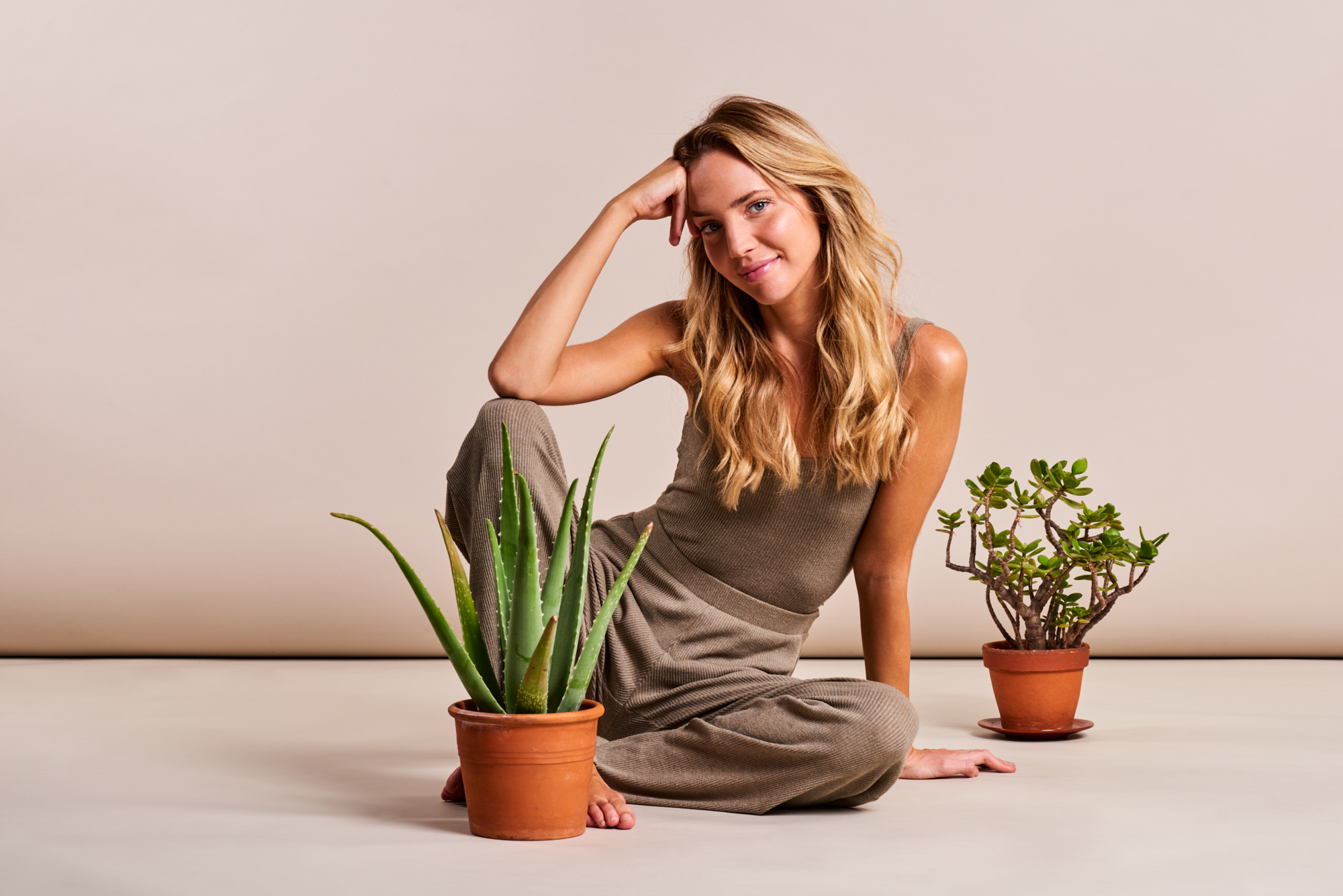
- Comfortable living spaces featuring luckymisters-uk.co.uk design inspiration and modern aesthetics
- The Significance of Neutral Color Palettes
- Incorporating Texture and Dimension
- The Role of Natural Materials in Modern Design
- Maximizing Space with Smart Storage Solutions
- Lighting as a Design Element
- Creating Cohesive Spaces Through Consistent Style
Comfortable living spaces featuring luckymisters-uk.co.uk design inspiration and modern aesthetics
Creating a comfortable and aesthetically pleasing living space is a pursuit many homeowners undertake, seeking a sanctuary from the demands of daily life. The principles of good interior design are constantly evolving, yet a core focus remains: blending functionality with visual appeal. Finding inspiration can come from various sources – magazines, online platforms, and, increasingly, dedicated design-focused businesses like luckymisters-uk.co.uk. These sources offer a gateway to understanding current trends and translating them into personalized home environments. Thoughtful consideration of space, light, and materials are all key elements in the process.
The ideal home isn’t merely about filling a space with furniture; it’s about crafting an atmosphere that reflects personal style and enhances wellbeing. This often involves a careful balance between form and function, ensuring that every element contributes to both the aesthetic and practical aspects of the room. Modern design leans towards simplicity, clean lines, and a connection to the outdoors, yet can still incorporate elements of warmth and personality. A well-designed interior can feel effortlessly inviting, promoting relaxation and fostering positive emotions.
The Significance of Neutral Color Palettes
When embarking on a home design project, starting with a neutral color palette can often be the most practical and visually appealing approach. Neutrals, such as grays, beiges, creams, and whites, provide a versatile foundation that allows for flexibility in future décor choices. Unlike bolder, more saturated colors, neutrals don’t overwhelm a space and offer a sense of calm and sophistication. This doesn't mean a neutral scheme has to be boring, however. Layering different textures and shades within the neutral family can create depth and visual interest. The careful application of textures like linen, wool, and velvet can elevate a neutral room to luxurious levels. Furthermore, the strategic use of metallic accents, such as gold or silver, can add a touch of glamour and refinement.
The advantage of a neutral base lies in its adaptability. As tastes evolve or seasons change, it’s relatively easy to introduce pops of color through accessories—cushions, throws, artwork—without needing to undertake a large-scale renovation. This adaptability makes neutral palettes particularly well-suited for living spaces that are frequently updated or reconfigured. Choosing the right undertone within the neutral range is crucial. Cool grays pair well with silver and contemporary furnishings, while warmer beiges create a more inviting and traditional atmosphere. Consider the amount of natural light a room receives; rooms with limited light benefit from warmer neutrals to prevent them from feeling cold and sterile.
Incorporating Texture and Dimension
Creating a visually engaging neutral space hinges on incorporating texture and dimension. Flat, one-dimensional surfaces can appear bland and uninspiring. Instead, focus on layering different materials and finishes. Think about combining smooth surfaces, like polished wood or glass, with rougher textures, such as woven rugs, knitted throws, or exposed brick. The contrast between these textures adds depth and complexity to the room. Wall coverings also play a significant role; textured wallpaper, paneling, or even paint techniques like limewash can transform a plain wall into a focal point. Even within a single color, varying the texture can create subtle yet impactful visual interest. For instance, a cream-colored sofa in a linen fabric will look dramatically different from a cream-colored sofa in velvet.
| Gray | Silver accents, wool rugs, concrete surfaces |
| Beige | Wood tones, linen curtains, woven baskets |
| Cream | Velvet cushions, silk throws, polished wood floors |
| White | Natural fibers, textured wallpaper, stone accents |
Don’t underestimate the power of lighting in emphasizing texture. Strategic placement of lamps and spotlights can highlight the nuances of different materials, creating a more dynamic and inviting atmosphere. Consider using a variety of light sources – ambient, task, and accent – to create layers of illumination.
The Role of Natural Materials in Modern Design
A recurring theme in contemporary interior design is the incorporation of natural materials. This trend stems from a desire to connect with the outdoors and create a sense of authenticity and warmth. Materials like wood, stone, bamboo, and linen bring an organic quality to a space, contrasting beautifully with the often-sterile feel of modern synthetics. Wood, in particular, remains a hugely popular choice, adding both texture and visual interest. From flooring to furniture to accent walls, wood can be used in countless ways to create a welcoming and grounded atmosphere. The type of wood chosen can significantly impact the overall aesthetic; lighter woods, like birch and maple, create a bright and airy feel, while darker woods, like walnut and mahogany, evoke a sense of richness and sophistication. Materials sourced responsibly are becoming increasingly important to eco-conscious consumers.
Stone adds a sense of enduring quality and natural beauty. Granite, marble, and slate are commonly used for countertops, fireplaces, and flooring. These materials are durable, visually striking, and can dramatically enhance the overall aesthetic of a room. Bamboo, a rapidly renewable resource, is another excellent choice for sustainable design. It’s lightweight, strong, and can be used for flooring, furniture, and even wall coverings. Linen, a natural fiber made from flax plants, is prized for its breathability, durability, and elegant texture. It’s commonly used for curtains, upholstery, and bedding, adding a touch of understated luxury to a space. The versatility of natural materials allows designers to create spaces that are both beautiful and environmentally responsible. Finding the right balance depends on the overall vision for the space, and understanding how these materials interact with light and surrounding elements is crucial.
- Wood: Creates warmth, texture, and a sense of connection to nature.
- Stone: Offers durability, elegance, and a timeless aesthetic.
- Bamboo: A sustainable and versatile material for flooring and furniture.
- Linen: Provides breathability, durability, and an understated luxury.
- Cork: An eco-friendly material for flooring, wall coverings, and accents
The key to effectively incorporating natural materials is to use them thoughtfully and intentionally. Avoid overcrowding a space with too many different materials; instead, focus on a few key elements that complement each other and enhance the overall aesthetic.
Maximizing Space with Smart Storage Solutions
In today’s homes, maximizing space is often a primary concern. Smart storage solutions are essential for creating a functional and organized living environment, especially in smaller apartments or homes. Gone are the days of bulky, unsightly storage units; modern storage is about integrating functionality seamlessly into the design. Built-in shelving units are a fantastic way to utilize vertical space and create a custom storage solution tailored to your specific needs. These can be designed to blend seamlessly with the surrounding architecture, creating a clean and uncluttered look. Ottomans with hidden storage compartments are another clever way to add functionality to a living space. These provide a comfortable place to sit or rest your feet while also offering a discreet storage space for blankets, pillows, or books.
Under-bed storage is often an overlooked space that can be put to good use. Utilizing storage containers or drawers under the bed can free up valuable closet space and help keep bedrooms organized. Utilizing wall space effectively is also crucial; floating shelves provide a minimalist storage solution that doesn't take up floor space. Kitchens, in particular, benefit from smart storage solutions. Pull-out shelves, drawer dividers, and corner cabinets can maximize space and make it easier to access items. Consider utilizing vertical space with tall, narrow cabinets to store pantry items or kitchen essentials. Adopting a minimalist approach to possessions and regularly decluttering can also significantly improve space utilization.
- Assess your storage needs before purchasing any furniture or storage solutions.
- Utilize vertical space with built-in shelving and tall cabinets.
- Incorporate multifunctional furniture, such as ottomans with hidden storage.
- Don't overlook under-bed storage opportunities.
- Regularly declutter to minimize possessions and maximize space.
Clever storage isn’t just about adding more places to put things; it’s about creating a system that makes your living space more efficient and enjoyable. When considering storage options, think about how you use the space and what items you need to access frequently. Prioritize functionality and aesthetics to create a storage solution that complements your overall design.
Lighting as a Design Element
Lighting is often underestimated, yet it’s a critical element in interior design. It doesn’t just illuminate a space; it shapes the mood, highlights architectural features, and adds to the overall aesthetic. A well-lit room feels more inviting and comfortable, while poorly lit spaces can feel cramped and unwelcoming. There are three main types of lighting to consider: ambient, task, and accent. Ambient lighting provides overall illumination, creating a general atmosphere. Task lighting focuses on specific areas, such as a reading nook or a kitchen countertop, providing focused light for specific activities. Accent lighting highlights architectural features or artwork, adding visual interest and drama. The interplay between these three types of lighting is key to creating a balanced and harmonious lighting scheme.
Natural light is, of course, the most desirable form of illumination. Maximizing natural light is often a priority in interior design. This can be achieved by using large windows, skylights, and light-colored curtains or blinds. However, when natural light is limited, it’s important to supplement it with artificial lighting. Layered lighting is a technique that involves using a combination of different light sources to create a more dynamic and visually appealing effect. Dimmer switches are a great way to control the intensity of light and create different moods. Consider the color temperature of the light bulbs; warm white light creates a cozy and inviting atmosphere, while cool white light is more energizing and suitable for task areas. Updating outdated light fixtures can also make a significant impact on the overall aesthetic of a room, and may enhance the overall design ethos reflected by sources like luckymisters-uk.co.uk.
Creating Cohesive Spaces Through Consistent Style
A house often comprises many separate rooms, yet it’s crucial to create a sense of cohesiveness throughout the entire home. This means developing a consistent style that flows from room to room, creating a harmonious and unified aesthetic. This doesn't mean that every room has to be identical; rather, it means establishing a common thread that ties everything together. This common thread can be achieved through the use of a consistent color palette, similar furniture styles, or recurring design motifs. For example, if you’ve chosen a Scandinavian aesthetic for your living room, you might carry elements of that style—such as light wood tones, neutral colors, and minimalist furniture—into the bedrooms and kitchen. The repetition of certain materials, textures, or patterns can also create a sense of visual continuity.
Consider the flow between rooms. The transitions between spaces should be seamless and natural. This can be achieved by using similar flooring materials or paint colors in adjacent rooms. Pay attention to the details; even small touches, such as coordinating artwork or accessories, can contribute to a sense of cohesiveness. However, it is equally important to allow each room to have its own personality. Avoid creating a space that feels too sterile or uniform. Introduce variations in texture, color, and accessories to add visual interest and prevent the design from feeling monotonous. Think of the home as a whole, rather than a collection of isolated rooms. This holistic approach to design will result in a space that feels balanced, harmonious, and truly inviting—a space that reflects your personal style and enhances your wellbeing. Often, browsing sources such as luckymisters-uk.co.uk can offer a solid starting point for developing this sort of vision.